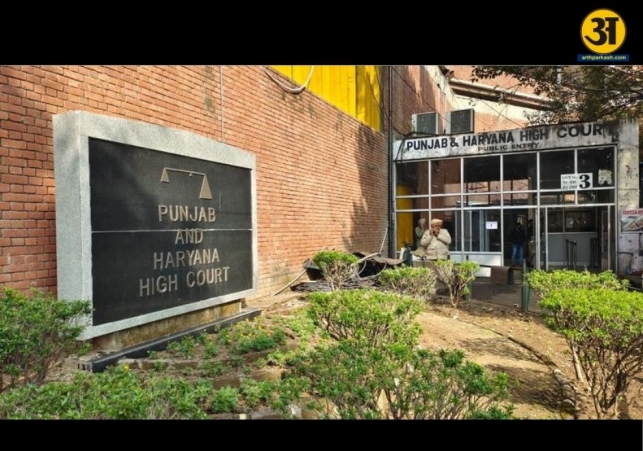
Court criticises Chandigarh officials over mandi inaction
Chandigarh High Court slams administration for failing to act against mandi officials
The Punjab and Haryana High Court has expressed strong concerns over the Chandigarh administration’s inaction in maintaining cleanliness at the main fruit and vegetable market in Sector 26. The court has asked the administration to provide details of what measures have been taken against the officers and employees of the market committee, who failed to ensure proper sanitation and prevent encroachments.
The direction from the court came after an affidavit was filed by the Union Territory (UT) administration. This affidavit followed the high court’s suo motu notice of the unsanitary conditions in the market. The court had earlier observed piles of garbage, muddy roads, and widespread encroachments affecting the smooth functioning of the market.
A division bench of the high court, comprising Chief Justice Sheel Nagu and Justice Sanjiv Berry, pointed out that while penalties had been imposed on outsourced cleaning contractors, the affidavit did not mention any accountability for the market committee officers or employees. The court emphasized that punishing private contractors alone would not resolve the problem if the officials responsible for supervision remained inactive.
“The affidavit is silent regarding the role of the officers and employees of the market committee, who had failed to perform their duties of supervising and ensuring that no encroachment or littering occurs,” the bench noted.
Court stresses need for departmental accountability
The high court made it clear that the administration could not rely solely on penalizing private cleaning agencies. It said that departmental accountability is equally important to maintain cleanliness and order in public spaces. The court directed the Chandigarh administration to file another affidavit detailing the action taken against the inactive officers and staff of Sector 26 mandi.
The bench further stressed that officers and employees must be held responsible for the maintenance of public markets. They are expected to supervise day-to-day operations, ensure that vendors follow rules, prevent littering, and take measures to remove encroachments promptly. The court warned that failure to act against negligent staff could undermine efforts to maintain proper hygiene and public safety in the city.
The Sector 26 market is one of Chandigarh’s main commercial hubs for fruits and vegetables. Its poor condition has long been a concern for shoppers, vendors, and the general public. Complaints often highlight garbage accumulation, muddy and slippery pathways, and encroachment by unauthorized vendors, which affect both trade and public safety.
ALSO READ: India faces rising concerns over adulterated eggs alongside fake paneer
ALSO READ: India’s poverty rate falls dramatically since Independence
The high court’s intervention underscores the importance of not only penalizing private contractors but also ensuring that the government staff responsible for supervision remain active and accountable. By directing the administration to provide details of actions taken against market committee employees, the court is sending a strong message that public officials cannot ignore their duties.
Officials from the UT administration have been asked to provide a comprehensive report on the measures taken to improve sanitation in the Sector 26 mandi, including steps to remove encroachments and supervise cleaning operations more effectively. The court has scheduled the next hearing in the case for November 10.
Legal experts note that such court orders highlight the principle that government officials cannot shirk responsibility simply because work is outsourced. While private contractors may handle day-to-day cleaning, the ultimate accountability rests with the officers in charge. Failure to hold them responsible can result in persistent unhygienic conditions and a decline in public services.
The Chandigarh administration has been urged to not only penalize private agencies for lapses but also take strict action against negligent officers and employees. By doing so, it can ensure proper cleanliness and safety in public spaces, prevent encroachments, and improve the overall environment of key markets like Sector 26.
Residents and shoppers have welcomed the court’s intervention. They hope that the high court’s direction will lead to a more accountable system where officials perform their duties efficiently and the city’s marketplaces are clean, safe, and well-maintained.
The case serves as a reminder that administrative accountability is essential for public hygiene and civic management. By making officers answerable for lapses, authorities can create a sustainable mechanism to maintain cleanliness, improve market operations, and protect the public interest.
With the next hearing scheduled for November 10, the high court will review the steps taken by the UT administration to ensure that negligent officers and staff are held accountable and that Sector 26 mandi meets the standards of cleanliness expected in the city.
Related News
.jpg)